Fenghuang Dancong
Introduction
Fenghuang Dancong is a distinguished variety of oolong tea originating from the Fenghuang Mountain in the Guangdong province of South China. Known for its unique aromatic profile and traditional artisanal processing methods, Fenghuang Dancong is celebrated both locally and internationally. This tea forms a critical part of China's rich tea culture, often featured in cultural events and ceremonies that highlight its heritage significance. The tea is appreciated for its complex flavor, which is the result of meticulous cultivation and processing techniques passed down through generations.
History
The history of Fenghuang Dancong dates back to ancient times, rooted deeply in the tea cultivation traditions of Guangdong province. The term "Dancong" translates to "single bush", reflecting the unique cultivation approach where tea leaves are harvested from individual tea bushes, each possessing distinct flavor profiles. Historically, Fenghuang Dancong was highly prized by Chinese literati and scholars, who celebrated its complexity and depth of flavor in cultural salons known as Yaji. These gatherings were pivotal in promoting the aesthetic and sensory pleasures of tea, solidifying Fenghuang Dancong's place in Chinese tea culture. Over time, the tea has gained recognition not only within China but also on the international stage, becoming a symbol of the rich cultural heritage and artisanal craftsmanship of Chinese tea production.
Cultivation
Fenghuang Dancong is cultivated in the mountainous regions of Fenghuang, where the unique terroir contributes to its distinctive qualities. The tea gardens are typically situated at elevations ranging from 600 to 1,500 meters, providing an ideal environment with misty conditions and rich, fertile soil. This combination of altitude and climate influences the tea leaves, endowing them with a robust flavor profile and aromatic complexity. The cultivation process is highly traditional, relying on the expertise of local tea farmers who employ age-old methods to nurture the tea bushes. These practices ensure that each bush develops its unique character, which is reflected in the final product.
Processing
Harvesting
The harvesting of Fenghuang Dancong is a process that requires skill and precision. Leaves are typically plucked in the early spring when they are tender and rich in flavor. The best leaves are selected by hand to preserve their quality and integrity. This careful selection is crucial, as the characteristics of Fenghuang Dancong heavily depend on the quality of the leaves harvested.
Withering
Once harvested, the leaves undergo a withering process, which involves spreading them out to dry in natural sunlight or in controlled indoor environments. Withering reduces the moisture content in the leaves, enhancing their aromatic qualities and preparing them for the subsequent stages of processing. This step is essential in developing the tea's distinctive fragrance and taste.
Oxidation
The oxidation process is a defining feature of Fenghuang Dancong, contributing significantly to its complex flavor profile. The leaves are carefully monitored and turned to ensure even oxidation, which develops the tea's characteristic floral and fruity notes. Achieving the right level of oxidation requires the expertise of skilled tea artisans, who can judge the precise moment the leaves have reached their optimal flavor.
Firing
Firing, or roasting, is the final stage of processing, where the leaves are heated to halt oxidation and lock in their flavors. This process also imparts a gentle roasted aroma, adding depth to the tea's overall taste. The degree of firing can vary, allowing for different flavor profiles within the Fenghuang Dancong variety, each with its own unique aromatic characteristics.
Varieties
Fenghuang Dancong boasts a diverse range of varieties, each with distinctive flavor profiles and aromatic qualities. The tea is often categorized based on the specific aromatic notes it exhibits, such as floral, fruity, or nutty. Some popular varieties include Huang Zhi Xiang (Yellow Gardenia fragrance), Mi Lan Xiang (Honey Orchid fragrance), and Ba Xian (Eight Immortals fragrance). Each variety reflects the unique interplay of terroir, cultivation, and processing techniques, offering a rich tapestry of flavors for tea aficionados to explore.
Flavor Profile
Fenghuang Dancong is renowned for its complex and layered flavor profile, which is the result of its unique cultivation and processing methods. The tea typically exhibits a harmonious blend of floral, fruity, and nutty notes, with a lingering sweetness and a smooth, velvety texture. The flavor can vary significantly between different varieties, with some exhibiting pronounced floral aromas reminiscent of orchid or magnolia, while others display fruity undertones such as lychee or peach. This diversity makes Fenghuang Dancong a highly versatile tea, appealing to a wide range of palates and preferences.
Cultural Significance
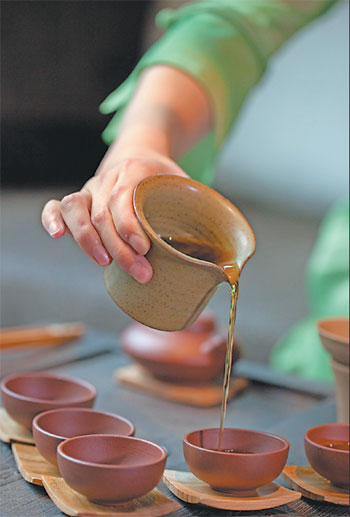
Fenghuang Dancong holds a special place in Chinese tea culture, symbolizing the artistry and tradition of tea-making that has been passed down through generations. It is often featured in traditional tea ceremonies and cultural exchanges, serving as a medium for fostering appreciation and understanding of Chinese heritage. The tea's role in cultural salons and gatherings highlights its importance in promoting social harmony and artistic expression. This cultural significance is further underscored by its inclusion in events like the International Tea Day celebrations, where it is showcased as one of the representatives of China's intangible cultural heritage.








